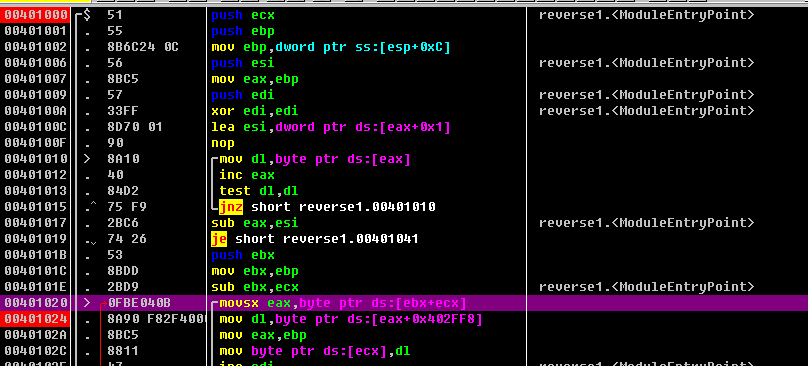
BUUCTF RE WriteUp 4 [GXYCTF] simple CPP This C++ challenge is a repeat of an earlier one. The program XORs the input against a fixed string and checks the transformed bytes; the long decompilation mostly expands that same operation:
1
2
3
4
5
6
7
8
9
10
11
12
13
14
15
16
17
18
19
20
21
22
23
24
25
26
27
28
29
30
31
32
33
34
35
36
37
38
39
40
41
42
43
44
45
46
47
48
49
50
51
52
53
54
55
56
57
58
59
60
61
62
63
64
65
66
67
68
69
70
71
72
73
74
75
76
77
78
79
80
81
82
83
84
85
86
87
88
89
90
91
92
93
94
95
96
97
98
99
100
101
102
103
104
105
106
107
108
109
110
111
112
113
114
115
116
117
118
119
120
121
122
123
124
125
126
127
128
129
130
131
132
133
134
135
136
137
138
139
140
141
142
143
144
145
146
147
148
149
150
151
152
153
154
155
156
157
158
159
160
161
162
163
164
165
166
167
168
169
170
171
172
173
174
175
176
177
178
179
180
181
182
183
184
185
186
187
188
189
190
191
192
193
194
195
196
__int64 sub_7FF7BDA61290 () bool v0; __int64 v1; unsigned __int8 *v2; unsigned __int8 *data1; int cnt; __int64 cnt_; _BYTE *inputs; void **halt; __int64 byteNow; __int64 v9; __int64 v10; __int64 v11; signed int cnt1; unsigned __int8 *data1_; __int64 bytes; __int64 *v15; __int64 v16; __int64 v17; __int64 *v18; __int64 v19; __int64 v20; __int64 v21; __int64 v22; __int64 v23; __int64 v24; __int64 v25; __int64 v26; __int64 v27; bool v28; __int64 v29; void *v30; const char *v31; __int64 v32; _BYTE *v33; __int64 v35; void *input; unsigned __int64 strlen ; unsigned __int64 v38; v0 = 0 ; strlen = 0 i64; v38 = 15 i64; LOBYTE(input) = 0 ; LODWORD(v1) = printf (std ::cout , "I'm a first timer of Logic algebra , how about you?" ); std ::basic_ostream<char ,std ::char_traits<char >>::operator <<(v1, cout ); printf (std ::cout , "Let's start our game,Please input your flag:" ); scanf (std ::cin , &input); std ::basic_ostream<char ,std ::char_traits<char >>::operator <<(std ::cout , cout ); if ( strlen - 5 > 0x19 ) { LODWORD(v32) = printf (std ::cout , "Wrong input ,no GXY{} in input words" ); std ::basic_ostream<char ,std ::char_traits<char >>::operator <<(v32, cout ); goto LABEL_45; } v2 = (unsigned __int8 *)sub_7FF7BDA624C8(0x20 ui64); data1 = v2; if ( v2 ) { *(_QWORD *)v2 = 0 i64; *((_QWORD *)v2 + 1 ) = 0 i64; *((_QWORD *)v2 + 2 ) = 0 i64; *((_QWORD *)v2 + 3 ) = 0 i64; } else { data1 = 0 i64; } cnt = 0 ; if ( strlen > 0 ) { cnt_ = 0 i64; do { inputs = &input; if ( v38 >= 0x10 ) inputs = input; halt = &Dst; if ( (unsigned __int64)qword_7FF7BDA66060 >= 0x10 ) halt = (void **)Dst; data1[cnt_] = inputs[cnt_] ^ *((_BYTE *)halt + cnt++ % 27 ); ++cnt_; } while ( cnt < strlen ); } byteNow = 0 i64; v9 = 0 i64; v10 = 0 i64; v11 = 0 i64; if ( (signed int )strlen > 30 ) goto LABEL_28; cnt1 = 0 ; if ( (signed int )strlen <= 0 ) goto LABEL_28; data1_ = data1; do { bytes = *data1_ + byteNow; ++cnt1; ++data1_; switch ( cnt1 ) { case 8 : v11 = bytes; goto LABEL_24; case 16 : v10 = bytes; goto LABEL_24; case 24 : v9 = bytes; LABEL_24: bytes = 0 i64; break ; case 32 : printf (std ::cout , "ERRO,out of range" ); exit (1 ); break ; } byteNow = bytes << 8 ; } while ( cnt1 < (signed int )strlen ); if ( v11 ) { v15 = (__int64 *)sub_7FF7BDA624C8(0x20 ui64); *v15 = v11; v15[1 ] = v10; v15[2 ] = v9; v15[3 ] = byteNow; goto LABEL_29; } LABEL_28: v15 = 0 i64; LABEL_29: v35 = v15[2 ]; v16 = v15[1 ]; v17 = *v15; v18 = (__int64 *)sub_7FF7BDA6223C(0x20 ui64); if ( IsDebuggerPresent() ) { printf (std ::cout , "Hi , DO not debug me !" ); Sleep(0x7D0 u); exit (0 ); } v19 = v16 & v17; *v18 = v16 & v17; v20 = v35 & ~v17; v18[1 ] = v20; v21 = ~v16; v22 = v35 & v21; v18[2 ] = v35 & v21; v23 = v17 & v21; v18[3 ] = v23; if ( v20 != 1176889593874 i64 ) { v18[1 ] = 0 i64; v20 = 0 i64; } v24 = v20 | v19 | v22 | v23; v25 = v15[1 ]; v26 = v15[2 ]; v27 = v22 & *v15 | v26 & (v19 | v25 & ~*v15 | ~(v25 | *v15)); v28 = 0 ; if ( v27 == 577031497978884115 i64 ) v28 = v24 == 4483974544037412639 i64; if ( (v24 ^ v15[3 ]) == 4483974543195470111 i64 ) v0 = v28; if ( (v20 | v19 | v25 & v26) != (~*v15 & v26 | 0xC00020130082C0C i64) || v0 != 1 ) { printf (std ::cout , "Wrong answer!try again" ); j_j_free(data1); } else { LODWORD(v29) = printf (std ::cout , "Congratulations!flag is GXY{" ); v30 = &input; if ( v38 >= 0x10 ) v30 = input; v31 = (const char *)sub_7FF7BDA61FD0(v29, v30, strlen ); printf (v31, "}" ); j_j_free(data1); } LABEL_45: if ( v38 >= 0x10 ) { v33 = input; if ( v38 + 1 >= 0x1000 ) { v33 = (_BYTE *)*((_QWORD *)input - 1 ); if ( (unsigned __int64)((_BYTE *)input - v33 - 8 ) > 0x1F ) invalid_parameter_noinfo_noreturn(); } j_j_free(v33); } return 0 i64; }
The program XORs the input with i_will_check_is_debug_or_not, converts the result to hex, and runs it through a series of bitwise operations. That sounds like a job for Z3.
1
2
3
4
5
6
7
8
9
10
11
12
13
14
15
16
17
18
19
20
21
22
23
24
25
26
27
28
29
30
31
32
33
34
35
36
37
38
39
40
41
42
43
44
45
from z3 import *import binasciikey = 'i_will_check_is_debug_or_not' s = Solver() x = BitVec('x' , 64 ) y = BitVec('y' , 64 ) z = BitVec('z' , 64 ) k = BitVec('k' , 64 ) xAndY = y & x zAndNorX = z & ~x norY = ~y zAndNorY = z & ~y xAndNorY = x & ~y s.add(zAndNorX == 0x11204161012 ) bigSum = zAndNorX | xAndY | zAndNorY | xAndNorY bigSum2 = zAndNorY & x | z & (xAndY | y & (~x) | ~(y | x)) s.add(bigSum2 == 0x8020717153E3013 ) s.add(bigSum == 4483974544037412639 ) s.add((bigSum ^ k) == 4483974543195470111 ) s.add((zAndNorX | xAndY | y & z) == ((~x) & z | 0xC00020130082C0C )) print(s.check()) m = s.model() out = [] x = m[x] y = m[y] z = m[z] k = m[k] out.append(x) out.append(y) out.append(z) out.append(k) s = [] for i in range(len(out)): h = hex(int(str(out[i]), 10 ))[2 :] h = h.zfill(len(h) + (len(h))%2 ) print(h) out[i] = binascii.unhexlify(h) s += list(out[i]) for i in range(len(s)): s[i] ^= ord(key[i%27 ]) print('' .join([chr(x) for x in s]))
We1l_D0ndeajoa_Slgebra_am_ii
That output is clearly not the intended flag. The official writeup supplies y outright, and even the k I calculated by hand differs from its value. Something is missing.
Looking at other writeups, I learned that the organizers announced the second part, e!P0or_a, during the competition.
Well, whatever makes you happy!
flagWe1l_D0ne!P0or_algebra_am_ii
WUSTCTF level2 This Linux x86 binary is packed with UPX. Once unpacked, the answer is visible in the assembly.
The relevant assembly gives:
wctf2020{Just_upx_-d}
BabyDriver The download is a .sys file. IDA reveals a map in the data, which makes this look like a maze; the main routine tells us how input moves through it:
1
2
3
4
5
6
7
8
9
10
11
12
13
14
15
16
17
18
19
20
21
22
23
24
25
26
27
28
29
30
31
32
33
34
35
36
37
38
39
40
41
42
43
44
45
46
47
48
49
50
51
52
53
54
55
56
57
58
59
60
61
62
63
64
65
66
67
68
69
70
71
72
73
74
75
76
77
78
79
80
81
82
83
84
85
86
87
88
89
90
91
92
93
94
95
96
__int64 __fastcall sub_140001380 (__int64 a1, __int64 a2) __int64 v2; __int64 v3; __int64 v4; int position; __int16 *inputS; __int64 v7; __int16 inputTrans; char v9; CHAR *v10; v2 = a2; if ( *(_DWORD *)(a2 + '0' ) >= 0 ) { v3 = *(_QWORD *)(a2 + 24 ); v4 = *(_QWORD *)(a2 + 56 ) >> 3 ; if ( (_DWORD)v4 ) { position = pos; inputS = (__int16 *)(v3 + 2 ); v7 = (unsigned int )v4; while ( *(_WORD *)(v3 + 4 ) ) { LABEL_28: inputS += 6 ; if ( !--v7 ) goto ret; } map [position] = '.' ; inputTrans = *inputS; if ( *inputS == 23 ) { if ( position & 0xFFFFFFF0 ) { position -= 0x10 ; goto LABEL_21; } position += 0xD0 ; pos = position; } if ( inputTrans == 37 ) { if ( (position & 0xFFFFFFF0 ) != 0xD0 ) { position += 0x10 ; goto LABEL_21; } position -= 0xD0 ; pos = position; } if ( inputTrans == 36 ) { if ( position & 0xF ) { --position; goto LABEL_21; } position += 15 ; pos = position; } if ( inputTrans != 38 ) goto LABEL_22; if ( (position & 0xF ) == 15 ) position -= 15 ; else ++position; LABEL_21: pos = position; LABEL_22: v9 = map [position]; if ( v9 == '*' ) { v10 = "failed!\n" ; } else { if ( v9 != '#' ) { LABEL_27: map [position] = 'o' ; goto LABEL_28; } v10 = "success! flag is flag{md5(input)}\n" ; } pos = 16 ; DbgPrint(v10); position = pos; goto LABEL_27; } } ret: if ( *(_BYTE *)(v2 + 65 ) ) *(_BYTE *)(*(_QWORD *)(v2 + 184 ) + 3 i64) |= 1u ; return *(unsigned int *)(v2 + 48 ); }
1
2
3
4
5
6
7
8
9
10
11
12
13
14
****************0x0 o.*..*......*..*0x1 *.**...**.*.*.**0x2 *.****.**.*.*.**0x3 *...**....*.*.**0x4 ***..***.**.*..*0x5 *.**.***.**.**.*0x6 *.**.******.**.*0x7 *.**....***.**.*0x8 *.*****.***....*0x9 *...***.********0xa **..***......#**0xb **.*************0xc ****************0xd
The values here clearly are not ordinary characters I can type. Another writeup mentions keyboard scan codes, so I looked for a scan-code table.
With a scan-code table in hand, I could translate the required key values into the move sequence.
1
2
3
4
I -> ↑ J -> ← K -> ↓ L -> →
LKKKLLKLKKKLLLKKKLLLLLL
[FlareOn] Overlong The program has only three functions. It does not ask for a flag when I run it; instead, it has an encrypted message-box string.
1
2
3
4
5
6
7
8
9
10
11
12
int __stdcall start (int a1, int a2, int a3, int a4) unsigned int end; char Text[128 ]; unsigned int v7; end = decrypt(Text, (int )&data, 0x1C u); v7 = end; Text[end] = 0 ; MessageBoxA(0 , Text, Caption, 0 ); return 0 ; }
I spent a while looking at the decryption function without understanding it. There is a long sequence after data; I patched the text length to 128 and ran it, but nothing appeared.
After repeatedly failing to get a popup, I checked the data length and patched 0x1c to 0xaf. That worked. Patching the assembly outside the function overwrote the following push offset data; changing eax inside the function instead reveals the result.
I_a_M_t_h_e_e_n_C_o_D_i_n_g@flare-on.com
[MRCTF] Xor Searching the strings leads to the relevant function, but F5 cannot decompile it. Time to read the assembly.
1
2
3
4
5
6
7
8
9
10
11
12
13
14
15
16
17
18
19
20
21
22
23
24
25
26
27
28
29
30
31
32
33
34
35
36
37
38
39
40
41
42
43
44
45
46
47
48
49
50
51
.text:00401090 sub_401090 proc near ; CODE XREF: start-8D↓p .text:00401090 push offset aGiveMeYourFlag ; "Give Me Your Flag String:\n" .text:00401095 call sub_401020 .text:0040109A push 64h .text:0040109C push offset byte_4212C0 .text:004010A1 push offset aS ; "%s" .text:004010A6 call sub_401050 .text:004010AB mov edx, offset byte_4212C0 .text:004010B0 add esp, 10h .text:004010B3 lea ecx, [edx+1] .text:004010B6 .text:004010B6 loc_4010B6: ; CODE XREF: sub_401090+2B↓j .text:004010B6 mov al, [edx] .text:004010B8 inc edx .text:004010B9 test al, al .text:004010BB jnz short loc_4010B6 .text:004010BD sub edx, ecx .text:004010BF cmp edx, 1Bh .text:004010C2 jnz short loc_4010FF .text:004010C4 xor eax, eax .text:004010C6 db 66h, 66h .text:004010C6 nop word ptr [eax+eax+00000000h] .text:004010D0 .text:004010D0 loc_4010D0: ; CODE XREF: sub_401090+53↓j .text:004010D0 mov cl, byte_4212C0[eax] .text:004010D6 xor cl, al .text:004010D8 cmp cl, ds:byte_41EA08[eax] .text:004010DE jnz short loc_4010FF .text:004010E0 inc eax .text:004010E1 cmp eax, edx .text:004010E3 jb short loc_4010D0 .text:004010E5 push offset aRight ; "Right!\n" .text:004010EA call sub_401020 .text:004010EF push offset aPause ; "pause" .text:004010F4 call sub_404B7E .text:004010F9 add esp, 8 .text:004010FC xor eax, eax .text:004010FE retn .text:004010FF ; --------------------------------------------------------------------------- .text:004010FF .text:004010FF loc_4010FF: ; CODE XREF: sub_401090+32↑j .text:004010FF ; sub_401090+4E↑j .text:004010FF push offset aWrong ; "Wrong!\n" .text:00401104 call sub_401020 .text:00401109 push offset aPause ; "pause" .text:0040110E call sub_404B7E .text:00401113 add esp, 8 .text:00401116 push 0 ; uExitCode .text:00401118 call sub_40355F .text:0040111D int 3 ; Trap to Debugger .text:0040111D sub_401090 endp
The confusing part is a handful of junk instructions that prevent decompilation. Once those are NOPed out, the check XORs each character with its index. Reversing that operation gives the answer.
1
2
3
4
5
s = 'MSAWB~FXZ:J:`tQJ"N@ bpdd}8g' s = [ord(x) for x in s] for i in range(len(s)): s[i] ^= i print('' .join([chr(x) for x in s]))
MRCTF{@_R3@1ly_E2_R3verse!}
[MRCTF2020] hello_world_go This executable was compiled with Go, but fortunately its symbols are intact. In IDA, main_main is the obvious place to start:
1
2
3
4
5
6
7
8
9
10
11
12
13
14
15
16
17
18
19
20
21
22
23
24
25
26
27
28
29
30
31
32
33
34
35
36
37
38
39
40
41
42
43
44
45
46
47
48
49
50
51
52
53
54
55
56
57
58
59
60
61
62
63
64
65
66
67
68
69
70
71
72
73
74
75
76
77
78
79
80
81
82
83
84
85
86
87
88
89
90
__int64 __fastcall main_main (__int64 a1, __int64 a2) __int64 v2; __int64 v3; __int64 v4; __int64 v5; __int64 v6; __int64 v7; __int64 strlen ; __int64 v9; __int64 v10; signed __int64 v11; __int64 result; __int64 v13; __int64 *v14; char v15; __int64 *v16; __int128 v17; __int128 v18; __int128 v19; __int128 v20; if ( (unsigned __int64)&v18 + 8 <= *(_QWORD *)(__readfsqword(0xFFFFFFF8 ) + 16 ) ) runtime_morestack_noctxt(a1, a2); runtime_newobject(a1, a2); v16 = v14; *(_QWORD *)&v20 = &unk_4AC9C0; *((_QWORD *)&v20 + 1 ) = &off_4EA530; fmt_Fprint(a1, a2, (__int64)&v20, (__int64)&unk_4AC9C0, v2, v3, (__int64)&go_itab__os_File_io_Writer, os_Stdout); *(_QWORD *)&v19 = &unk_4A96A0; *((_QWORD *)&v19 + 1 ) = v16; fmt_Fscanf( a1, a2, (__int64)&go_itab__os_File_io_Reader, (__int64)&v19, v4, v5, (__int64)&go_itab__os_File_io_Reader, os_Stdin, (__int64)&unk_4D07C9, 2L L); strlen = v16[1 ]; if ( strlen != 24 ) goto LABEL_3; v13 = *v16; runtime_memequal(a1, a2, v6, (unsigned __int64)&unk_4D3C58); if ( !v15 ) { strlen = 24L L; LABEL_3: runtime_cmpstring(a1, a2, (__int64)&unk_4D3C58, strlen , v7); if ( (signed __int64)&v19 >= 0 ) v11 = 1L L; else v11 = -1L L; goto LABEL_5; } v11 = 0L L; LABEL_5: if ( v11 ) { *(_QWORD *)&v17 = &unk_4AC9C0; *((_QWORD *)&v17 + 1 ) = &off_4EA550; result = fmt_Fprintln( a1, a2, v9, (__int64)&go_itab__os_File_io_Writer, v7, v10, (__int64)&go_itab__os_File_io_Writer, os_Stdout); } else { *(_QWORD *)&v18 = &unk_4AC9C0; *((_QWORD *)&v18 + 1 ) = &off_4EA540; result = fmt_Fprintln( a1, a2, v9, (__int64)&go_itab__os_File_io_Writer, v7, v10, (__int64)&go_itab__os_File_io_Writer, os_Stdout); } return result; }
IDA’s Go decompilation is long and hard to read, so I trace it. Fortunately the flag appears at the comparison runtime_cmpstring(a1, a2, (__int64)&unk_4D3C58, strlen, v7);.
flag{hello_world_gogogo}
[WUSTCTF]level3 The check uses a modified Base64 alphabet and another transformation in between. I decided to inspect the intermediate result in the debugger rather than unwind the whole routine.
1
2
3
4
5
6
7
8
9
10
11
12
13
14
15
__int64 O_OLookAtYou () char v0; __int64 result; signed int i; for ( i = 0 ; i <= 9 ; ++i ) { v0 = base64_table[i]; base64_table[i] = base64_table[19 - i]; result = 19 - i; base64_table[result] = v0; } return result; }
With that intermediate value, I wrote a script:
1
2
3
4
5
6
7
8
9
10
11
12
import base64afterTable = 'TSRQPONMLKJIHGFEDCBAUVWXYZabcdefghijklmnopqrstuvwxyz0123456789+/' table = 'ABCDEFGHIJKLMNOPQRSTUVWXYZabcdefghijklmnopqrstuvwxyz0123456789+/' cipher = 'd2G0ZjLwHjS7DmOzZAY0X2lzX3CoZV9zdNOydO9vZl9yZXZlcnGlfD==' Acipher = '' for i in cipher: index = afterTable.find(i) Acipher += str(table[index]) s = base64.b64decode(Acipher.encode()) print(s)
wctf2020{Base64_is_the_start_of_reverse}
WUSTCTF CrossFun The flag is spread across a series of functions, each of which returns part of it:
1
2
3
4
5
6
7
8
9
_BOOL8 __fastcall iven_1s_brave (_BYTE *a1) return a1[15 ] == 100 && a1[8 ] == 123 && a1[18 ] == 51 && a1[28 ] == 95 && a1[21 ] == 114 && (unsigned int )iven_1s_great(a1); }
1
2
3
4
5
6
7
8
9
10
11
12
13
14
15
16
17
18
19
20
21
22
23
24
25
26
27
28
29
30
31
32
33
34
35
36
a1 = [0 ]*40 a1[10 ] = 112 a1[13 ] = 64 a1[3 ] = 102 a1[26 ] = 114 a1[20 ] = 101 a1[7 ] = 48 a1[16 ] = 95 a1[11 ] = 112 a1[23 ] = 101 a1[30 ] = 117 a1[0 ] = 119 a1[6 ] = 50 a1[22 ] = 115 a1[31 ] = 110 a1[12 ] = 95 a1[15 ] = 100 a1[8 ] = 123 a1[18 ] = 51 a1[28 ] = 95 a1[21 ] = 114 a1[2 ] = 116 a1[9 ] = 99 a1[32 ] = 125 a1[19 ] = 118 a1[5 ] = 48 a1[14 ] = 110 a1[4 ] = 50 a1[17 ] = 114 a1[29 ] = 102 a1[17 ] = 114 a1[24 ] = 95 a1[1 ] = 99 a1[25 ] = 64 a1[27 ] = 101 print('' .join([chr(x) for x in a1]))
wctf2020{cpp_@nd_r3verse_@re_fun}
[2019 Red Hat Cup] xx This is a stripped x64 executable written in C++, and main is painfully long. The input appears to be checked a bit at a time, so I wondered whether Pintools could help brute-force it.
1
2
3
4
5
6
7
8
9
10
11
12
13
14
15
16
17
18
19
20
21
22
23
24
25
26
27
28
29
30
31
32
33
34
35
36
37
38
39
40
41
42
43
44
45
46
47
48
49
50
51
52
53
54
55
56
57
58
59
60
61
62
63
64
65
66
67
68
69
70
71
72
73
74
75
76
77
78
79
80
81
82
83
84
85
86
87
88
89
90
91
92
93
94
95
96
97
98
99
100
101
102
103
104
105
106
107
108
109
110
111
112
113
114
115
116
117
118
119
120
121
122
123
124
125
126
127
128
129
130
131
132
133
134
135
136
137
138
139
140
141
142
143
144
145
146
147
148
149
150
151
152
153
154
155
156
157
158
159
160
161
162
163
164
165
166
167
168
169
170
171
172
173
__int64 __fastcall sub_1400011A0 (__int64 a1, __int64 a2) unsigned __int64 inputLength; signed __int64 strlen ; __int128 *v4; __int64 Table; __int128 *head4; int v7; __int128 *v8; char chr; int idx; __int64 v11; unsigned __int64 tableLen; signed __int64 v13; unsigned __int64 cnt; unsigned __int64 i; _BYTE *v16; size_t v17; _BYTE *v18; _BYTE *afterTrans; signed int index_; char *current_chr; signed __int64 v22; char chr_change; signed __int64 v24; signed __int64 index; __int64 v26; size_t Size; __int128 strhead4; int v30; int v31; int input[4 ]; int v33; *(_OWORD *)input = 0 i64; v33 = 0 ; scan(std ::cin , a2, input); inputLength = -1 i64; strlen = -1 i64; do ++strlen ; while ( *((_BYTE *)input + strlen ) ); if ( strlen != 19 ) { print (std ::cout , "error\n" ); _exit((unsigned __int64)input); } v4 = (__int128 *)sub_140001E5C(5u i64); Table = *(_QWORD *)&table; head4 = v4; v7 = 0 ; v8 = v4; do { chr = *((_BYTE *)v8 + (char *)input - (char *)v4); idx = 0 ; *(_BYTE *)v8 = chr; v11 = 0 i64; tableLen = -1 i64; do ++tableLen; while ( *(_BYTE *)(Table + tableLen) ); if ( tableLen ) { do { if ( chr == *(_BYTE *)(Table + v11) ) break ; ++idx; ++v11; } while ( idx < tableLen ); } v13 = -1 i64; do ++v13; while ( *(_BYTE *)(Table + v13) ); if ( idx == v13 ) _exit(Table); v8 = (__int128 *)((char *)v8 + 1 ); } while ( (char *)v8 - (char *)v4 < 4 ); *((_BYTE *)v4 + 4 ) = 0 ; do ++inputLength; while ( *((_BYTE *)input + inputLength) ); cnt = 0 i64; strhead4 = *head4; while ( *((_BYTE *)&strhead4 + cnt) ) { if ( !*((_BYTE *)&strhead4 + cnt + 1 ) ) { ++cnt; break ; } if ( !*((_BYTE *)&strhead4 + cnt + 2 ) ) { cnt += 2 i64; break ; } if ( !*((_BYTE *)&strhead4 + cnt + 3 ) ) { cnt += 3 i64; break ; } cnt += 4 i64; if ( cnt >= 0x10 ) break ; } for ( i = cnt + 1 ; i < 0x10 ; ++i ) *((_BYTE *)&strhead4 + i) = 0 ; v16 = xxtea((__int64)input, inputLength, (unsigned __int8 *)&strhead4, &Size); v17 = Size; v18 = v16; afterTrans = sub_140001E5C(Size); index_ = 1 ; *afterTrans = v18[2 ]; current_chr = afterTrans + 1 ; afterTrans[1 ] = *v18; afterTrans[2 ] = v18[3 ]; afterTrans[3 ] = v18[1 ]; afterTrans[4 ] = v18[6 ]; afterTrans[5 ] = v18[4 ]; afterTrans[6 ] = v18[7 ]; afterTrans[7 ] = v18[5 ]; afterTrans[8 ] = v18[10 ]; afterTrans[9 ] = v18[8 ]; afterTrans[10 ] = v18[11 ]; afterTrans[11 ] = v18[9 ]; afterTrans[12 ] = v18[14 ]; afterTrans[13 ] = v18[12 ]; afterTrans[14 ] = v18[15 ]; afterTrans[15 ] = v18[13 ]; afterTrans[16 ] = v18[18 ]; afterTrans[17 ] = v18[16 ]; afterTrans[18 ] = v18[19 ]; afterTrans[19 ] = v18[17 ]; afterTrans[20 ] = v18[22 ]; afterTrans[21 ] = v18[20 ]; afterTrans[22 ] = v18[23 ]; for ( afterTrans[23 ] = v18[21 ]; index_ < v17; ++current_chr ) { v22 = 0 i64; if ( index_ / 3 > 0 ) { chr_change = *current_chr; do { chr_change ^= afterTrans[v22++]; *current_chr = chr_change; } while ( v22 < index_ / 3 ); } ++index_; } *(_QWORD *)&strhead4 = 0xC0953A7C6B40BCCE i64; v24 = afterTrans - (_BYTE *)&strhead4; *((_QWORD *)&strhead4 + 1 ) = 0x3502F79120209BEF i64; index = 0 i64; v30 = 0xC8021823 ; v31 = 0xFA5656E7 ; do { if ( *((_BYTE *)&strhead4 + index) != *((_BYTE *)&strhead4 + index + v24) ) _exit(v7 * v7); ++v7; ++index; } while ( index < 24 ); v26 = print (std ::cout , "You win!" ); std ::basic_ostream<char ,std ::char_traits<char >>::operator <<(v26, sub_1400017F0); return 0 i64; }
After two days of reverse engineering, I finally understood the logic:
First compare the first four input characters; continue if they are in the alphabet, otherwise exit.
Turn the first four input characters into a key.
Encrypt using XXTEA and the key.
Apply a permutation.
Compare the result.
Pintools did not get me past the first four characters: the later encryption and permutation prevent the same character-by-character approach. Once I understood the pipeline, I wrote a script instead.
1
2
3
4
5
6
7
8
9
10
11
12
13
14
15
16
17
18
19
20
21
22
23
24
25
26
27
28
29
30
31
32
33
34
35
36
37
38
39
40
41
42
43
44
45
46
47
48
49
50
51
52
53
54
55
56
57
58
59
60
61
62
63
64
65
66
67
68
69
70
71
72
73
74
75
76
77
78
79
80
81
82
83
84
85
86
import struct data = [ 0xCE , 0xBC , 0x40 , 0x6B , 0x7C , 0x3A , 0x95 , 0xC0 , 0xEF , 0x9B , 0x20 , 0x20 , 0x91 , 0xF7 , 0x02 , 0x35 , 0x23 , 0x18 , 0x02 , 0xC8 , 0xE7 , 0x56 , 0x56 , 0xFA ] print(data) for i in range(0x18 - 1 , 0 , -1 ): idx = 0 if (i // 3 > 0 ): while (idx < i//3 ): data[i] ^= data[idx] idx += 1 table = [1 , 3 , 0 , 2 , 5 , 7 , 4 , 6 , 9 , 11 , 8 , 10 , 13 , 15 , 12 , 14 , 17 , 19 , 16 , 18 , 21 , 23 , 20 , 22 ] afterTable = [] for i in table: afterTable.append(data[i]) data = afterTable _DELTA = 0x9E3779B9 def _long2str (v, w ): n = (len(v) - 1 ) << 2 if w: m = v[-1 ] if (m < n - 3 ) or (m > n): return '' n = m s = struct.pack('<%iL' % len(v), *v) return s[0 :n] if w else s def _str2long (s, w ): n = len(s) m = (4 - (n & 3 ) & 3 ) + n v = list(struct.unpack('<%iL' % (m >> 2 ), s)) if w: v.append(n) return v def encrypt (str, key ): if str == '' : return str v = _str2long(str, True ) k = _str2long(key.ljust(16 , "\0" ), False ) n = len(v) - 1 z = v[n] y = v[0 ] sum = 0 q = 6 + 52 // (n + 1 ) while q > 0 : sum = (sum + _DELTA) & 0xffffffff e = sum >> 2 & 3 for p in range(n): y = v[p + 1 ] v[p] = (v[p] + ((z >> 5 ^ y << 2 ) + (y >> 3 ^ z << 4 ) ^ (sum ^ y) + (k[p & 3 ^ e] ^ z))) & 0xffffffff z = v[p] y = v[0 ] v[n] = (v[n] + ((z >> 5 ^ y << 2 ) + (y >> 3 ^ z << 4 ) ^ (sum ^ y) + (k[n & 3 ^ e] ^ z))) & 0xffffffff z = v[n] q -= 1 return _long2str(v, False ) def decrypt (str, key ): if str == '' : return str v = _str2long(str, False ) k = _str2long(key, False ) n = len(v) - 1 z = v[n] y = v[0 ] q = 6 + 52 // (n + 1 ) sum = (q * _DELTA) & 0xffffffff while (sum != 0 ): e = sum >> 2 & 3 for p in range(n, 0 , -1 ): z = v[p - 1 ] v[p] = (v[p] - ((z >> 5 ^ y << 2 ) + (y >> 3 ^ z << 4 ) ^ (sum ^ y) + (k[p & 3 ^ e] ^ z))) & 0xffffffff y = v[p] z = v[n] v[0 ] = (v[0 ] - ((z >> 5 ^ y << 2 ) + (y >> 3 ^ z << 4 ) ^ (sum ^ y) + (k[0 & 3 ^ e] ^ z))) & 0xffffffff y = v[0 ] sum = (sum - _DELTA) & 0xffffffff return _long2str(v, True ) de = decrypt(bytes(data), bytes([ord(x) for x in 'flag' ] + [0 ]*12 )) print(de)
An additional script I found online produced the final result.
flag{CXX_and_++tea}
equation I have not learned JavaScript, and this expression has so many parentheses that I have no idea where to start.
I found a writeup and a JavaScript helper. Running it with PyExecJs produces a system of equations that looks like a job for Z3.
1
2
3
4
5
6
7
function deEquation (str ) for (let i = 0 ; i <= 1 ; i++) { str = str.replace(/l\[(\D*?)](\+l|-l|==)/g , (m, a, b ) => 'l[' + eval (a) + ']' + b); } str = str.replace(/==(\D*?)&&/g , (m, a ) => '==' + eval (a) + '&&' ); return str; }
The helper leaves one small part unsolved.
1 +(!+[]+!+[]+!+[]+!+[]+!+[]+!+[]+!+[]+!+[]+[+!+[]])
For the remaining expression, I found http://codertab.com/JsUnFuck.
It evaluates that fragment to 81.
The expression is so long that it nearly freezes my computer. Once simplified, what remains is a system of equations:
1
2
3
4
5
6
7
8
9
10
11
12
13
14
15
16
17
18
19
20
21
22
23
24
25
26
27
28
29
30
31
32
33
34
35
36
37
38
39
40
41
42
l[40]+l[35]+l[34]-l[0]-l[15]-l[37]+l[7]+l[6]-l[26]+l[20]+l[19]+l[8]-l[17]-l[14]-l[38]+l[1]-l[9]+l[22]+l[41]+l[3]-l[29]-l[36]-l[25]+l[5]+l[32]-l[16]+l[12]-l[24]+l[30]+l[39]+l[10]+l[2]+l[27]+l[28]+l[21]+l[33]-l[18]+l[4]==861 l[31]+l[26]+l[11]-l[33]+l[27]-l[3]+l[12]+l[30]+l[1]+l[32]-l[16]+l[7]+l[10]-l[25]+l[38]-l[41]-l[14]-l[19]+l[29]+l[36]-l[9]-l[28]-l[6]-l[0]-l[22]-l[18]+l[20]-l[37]+l[4]-l[24]+l[34]-l[21]-l[39]-l[23]-l[8]-l[40]+l[15]-l[35]==-448 l[26]+l[14]+l[15]+l[9]+l[13]+l[30]-l[11]+l[18]+l[23]+l[7]+l[3]+l[12]+l[25]-l[24]-l[39]-l[35]-l[20]+l[40]-l[8]+l[10]-l[5]-l[33]-l[31]+l[32]+l[19]+l[21]-l[6]+l[1]+l[16]+l[17]+l[29]+l[22]-l[4]-l[36]+l[41]+l[38]+l[2]+l[0]==1244 l[5]+l[22]+l[15]+l[2]-l[28]-l[10]-l[3]-l[13]-l[18]+l[30]-l[9]+l[32]+l[19]+l[34]+l[23]-l[17]+l[16]-l[7]+l[24]-l[39]+l[8]-l[12]-l[40]-l[25]+l[37]-l[35]+l[11]-l[14]+l[20]-l[27]+l[4]-l[33]-l[21]+l[31]-l[6]+l[1]+l[38]-l[29]==-39 l[41]-l[29]+l[23]-l[4]+l[20]-l[33]+l[35]+l[3]-l[19]-l[21]+l[11]+l[26]-l[24]-l[17]+l[37]+l[1]+l[16]-l[0]-l[13]+l[7]+l[10]+l[14]+l[22]+l[39]-l[40]+l[34]-l[38]+l[32]+l[25]-l[2]+l[15]+l[6]+l[28]-l[8]-l[5]-l[31]-l[30]-l[27]==485 l[13]+l[19]+l[21]-l[2]-l[33]-l[0]+l[39]+l[31]-l[23]-l[41]+l[38]-l[29]+l[36]+l[24]-l[20]-l[9]-l[32]+l[37]-l[35]+l[40]+l[7]-l[26]+l[15]-l[10]-l[6]-l[16]-l[4]-l[5]-l[30]-l[14]-l[22]-l[25]-l[34]-l[17]-l[11]-l[27]+l[1]-l[28]==-1068 l[32]+l[0]+l[9]+l[14]+l[11]+l[18]-l[13]+l[24]-l[2]-l[15]+l[19]-l[21]+l[1]+l[39]-l[8]-l[3]+l[33]+l[6]-l[5]-l[35]-l[28]+l[25]-l[41]+l[22]-l[17]+l[10]+l[40]+l[34]+l[27]-l[20]+l[23]+l[31]-l[16]+l[7]+l[12]-l[30]+l[29]-l[4]==939 l[19]+l[11]+l[20]-l[16]+l[40]+l[25]+l[1]-l[31]+l[28]-l[23]+l[14]-l[9]-l[27]+l[35]+l[39]-l[37]-l[8]-l[22]+l[5]-l[6]+l[0]-l[32]+l[24]+l[33]+l[29]+l[38]+l[15]-l[2]+l[30]+l[7]+l[12]-l[3]-l[17]+l[34]+l[41]-l[4]-l[13]-l[26]==413 l[22]+l[4]-l[9]+l[34]+l[35]+l[17]+l[3]-l[24]+l[38]-l[5]-l[41]-l[31]-l[0]-l[25]+l[33]+l[15]-l[1]-l[10]+l[16]-l[29]-l[12]+l[26]-l[39]-l[21]-l[18]-l[6]-l[40]-l[13]+l[8]+l[37]+l[19]+l[14]+l[32]+l[28]-l[11]+l[23]+l[36]+l[7]==117 l[32]+l[16]+l[3]+l[11]+l[34]-l[31]+l[14]+l[25]+l[1]-l[30]-l[33]-l[40]-l[4]-l[29]+l[18]-l[27]+l[13]-l[19]-l[12]+l[23]-l[39]-l[41]-l[8]+l[22]-l[5]-l[38]-l[9]-l[37]+l[17]-l[36]+l[24]-l[21]+l[2]-l[26]+l[20]-l[7]+l[35]-l[0]==-313 l[40]-l[1]+l[5]+l[7]+l[33]+l[29]+l[12]+l[38]-l[31]+l[2]+l[14]-l[35]-l[8]-l[24]-l[39]-l[9]-l[28]+l[23]-l[17]-l[22]-l[26]+l[32]-l[11]+l[4]-l[36]+l[10]+l[20]-l[18]-l[16]+l[6]-l[0]+l[3]-l[30]+l[37]-l[19]+l[21]+l[25]-l[15]==-42 l[21]+l[26]-l[17]-l[25]+l[27]-l[22]-l[39]-l[23]-l[15]-l[20]-l[32]+l[12]+l[3]-l[6]+l[28]+l[31]+l[13]-l[16]-l[37]-l[30]-l[5]+l[41]+l[29]+l[36]+l[1]+l[11]+l[24]+l[18]-l[40]+l[19]-l[35]+l[2]-l[38]+l[14]-l[9]+l[4]+l[0]-l[33]==289 l[29]+l[31]+l[32]-l[17]-l[7]+l[34]+l[2]+l[14]+l[23]-l[4]+l[3]+l[35]-l[33]-l[9]-l[20]-l[37]+l[24]-l[27]+l[36]+l[15]-l[18]-l[0]+l[12]+l[11]-l[38]+l[6]+l[22]+l[39]-l[25]-l[10]-l[19]-l[1]+l[13]-l[41]+l[30]-l[16]+l[28]-l[26]==-117 l[5]+l[37]-l[39]+l[0]-l[27]+l[12]+l[41]-l[22]+l[8]-l[16]-l[38]+l[9]+l[15]-l[35]-l[29]+l[18]+l[6]-l[25]-l[28]+l[36]+l[34]+l[32]-l[14]-l[1]+l[20]+l[40]-l[19]-l[4]-l[7]+l[26]+l[30]-l[10]+l[13]-l[21]+l[2]-l[23]-l[3]-l[33]==-252 l[29]+l[10]-l[41]-l[9]+l[12]-l[28]+l[11]+l[40]-l[27]-l[8]+l[32]-l[25]-l[23]+l[39]-l[1]-l[36]-l[15]+l[33]-l[20]+l[18]+l[22]-l[3]+l[6]-l[34]-l[21]+l[19]+l[26]+l[13]-l[4]+l[7]-l[37]+l[38]-l[2]-l[30]-l[0]-l[35]+l[5]+l[17]==-183 l[6]-l[8]-l[20]+l[34]-l[33]-l[25]-l[4]+l[3]+l[17]-l[13]-l[15]-l[40]+l[1]-l[30]-l[14]-l[28]-l[35]+l[38]-l[22]+l[2]+l[24]-l[29]+l[5]+l[9]+l[37]+l[23]-l[18]+l[19]-l[21]+l[11]+l[36]+l[41]-l[7]-l[32]+l[10]+l[26]-l[0]+l[31]==188 l[3]+l[6]-l[41]+l[10]+l[39]+l[37]+l[1]+l[8]+l[21]+l[24]+l[29]+l[12]+l[27]-l[38]+l[11]+l[23]+l[28]+l[33]-l[31]+l[14]-l[5]+l[32]-l[17]+l[40]-l[34]+l[20]-l[22]-l[16]+l[19]+l[2]-l[36]-l[7]+l[18]+l[15]+l[26]-l[0]-l[4]+l[35]==1036 l[28]-l[33]+l[2]+l[37]-l[12]-l[9]-l[39]+l[16]-l[32]+l[8]-l[36]+l[31]+l[10]-l[4]+l[21]-l[25]+l[18]+l[24]-l[0]+l[29]-l[26]+l[35]-l[22]-l[41]-l[6]+l[15]+l[19]+l[40]+l[7]+l[34]+l[17]-l[3]-l[13]+l[5]+l[23]+l[11]-l[27]+l[1]==328 l[22]-l[32]+l[17]-l[9]+l[20]-l[18]-l[34]+l[23]+l[36]-l[35]-l[38]+l[27]+l[4]-l[5]-l[41]+l[29]+l[33]+l[0]-l[37]+l[28]-l[40]-l[11]-l[12]+l[7]+l[1]+l[2]-l[26]-l[16]-l[8]+l[24]-l[25]+l[3]-l[6]-l[19]-l[39]-l[14]-l[31]+l[10]==-196 l[11]+l[13]+l[14]-l[15]-l[29]-l[2]+l[7]+l[20]+l[30]-l[36]-l[33]-l[19]+l[31]+l[0]-l[39]-l[4]-l[6]+l[38]+l[35]-l[28]+l[34]-l[9]-l[23]-l[26]+l[37]-l[8]-l[27]+l[5]-l[41]+l[3]+l[17]+l[40]-l[10]+l[25]+l[12]-l[24]+l[18]+l[32]==7 l[34]-l[37]-l[40]+l[4]-l[22]-l[31]-l[6]+l[38]+l[13]-l[28]+l[8]+l[30]-l[20]-l[7]-l[32]+l[26]+l[1]-l[18]+l[5]+l[35]-l[24]-l[41]+l[9]-l[0]-l[2]-l[15]-l[10]+l[12]-l[36]+l[33]-l[16]-l[14]-l[25]-l[29]-l[21]+l[27]+l[3]-l[17]==-945 l[12]-l[30]-l[8]+l[20]-l[2]-l[36]-l[25]-l[0]-l[19]-l[28]-l[7]-l[11]-l[33]+l[4]-l[23]+l[10]-l[41]+l[39]-l[32]+l[27]+l[18]+l[15]+l[34]+l[13]-l[40]+l[29]-l[6]+l[37]-l[14]-l[16]+l[38]-l[26]+l[17]+l[31]-l[22]-l[35]+l[5]-l[1]==-480 l[36]-l[11]-l[34]+l[8]+l[0]+l[15]+l[28]-l[39]-l[32]-l[2]-l[27]+l[22]+l[16]-l[30]-l[3]+l[31]-l[26]+l[20]+l[17]-l[29]-l[18]+l[19]-l[10]+l[6]-l[5]-l[38]-l[25]-l[24]+l[4]+l[23]+l[9]+l[14]+l[21]-l[37]+l[13]-l[41]-l[12]+l[35]==-213 l[19]-l[36]-l[12]+l[33]-l[27]-l[37]-l[25]+l[38]+l[16]-l[18]+l[22]-l[39]+l[13]-l[7]-l[31]-l[26]+l[15]-l[10]-l[9]-l[2]-l[30]-l[11]+l[41]-l[4]+l[24]+l[34]+l[5]+l[17]+l[14]+l[6]+l[8]-l[21]-l[23]+l[32]-l[1]-l[29]-l[0]+l[3]==-386 l[0]+l[7]-l[28]-l[38]+l[19]+l[31]-l[5]+l[24]-l[3]+l[33]-l[12]-l[29]+l[32]+l[1]-l[34]-l[9]-l[25]+l[26]-l[8]+l[4]-l[10]+l[40]-l[15]-l[11]-l[27]+l[36]+l[14]+l[41]-l[35]-l[13]-l[17]-l[21]-l[18]+l[39]-l[2]+l[20]-l[23]-l[22]==-349 l[10]+l[22]+l[21]-l[0]+l[15]-l[6]+l[20]-l[29]-l[30]-l[33]+l[19]+l[23]-l[28]+l[41]-l[27]-l[12]-l[37]-l[32]+l[34]-l[36]+l[3]+l[1]-l[13]+l[18]+l[14]+l[9]+l[7]-l[39]+l[8]+l[2]-l[31]-l[5]-l[40]+l[38]-l[26]-l[4]+l[16]-l[25]==98 l[28]+l[38]+l[20]+l[0]-l[5]-l[34]-l[41]+l[22]-l[26]+l[11]+l[29]+l[31]-l[3]-l[16]+l[23]+l[17]-l[18]+l[9]-l[4]-l[12]-l[19]-l[40]-l[27]+l[33]+l[8]-l[37]+l[2]+l[15]-l[24]-l[39]+l[10]+l[35]-l[1]+l[30]-l[36]-l[25]-l[14]-l[32]==-412 l[1]-l[24]-l[29]+l[39]+l[41]+l[0]+l[9]-l[19]+l[6]-l[37]-l[22]+l[32]+l[21]+l[28]+l[36]+l[4]-l[17]+l[20]-l[13]-l[35]-l[5]+l[33]-l[27]-l[30]+l[40]+l[25]-l[18]+l[34]-l[3]-l[10]-l[16]-l[23]-l[38]+l[8]-l[14]-l[11]-l[7]+l[12]==-95 l[2]-l[24]+l[31]+l[0]+l[9]-l[6]+l[7]-l[1]-l[22]+l[8]-l[23]+l[40]+l[20]-l[38]-l[11]-l[14]+l[18]-l[36]+l[15]-l[4]-l[41]-l[12]-l[34]+l[32]-l[35]+l[17]-l[21]-l[10]-l[29]+l[39]-l[16]+l[27]+l[26]-l[3]-l[5]+l[13]+l[25]-l[28]==-379 l[19]-l[17]+l[31]+l[14]+l[6]-l[12]+l[16]-l[8]+l[27]-l[13]+l[41]+l[2]-l[7]+l[32]+l[1]+l[25]-l[9]+l[37]+l[34]-l[18]-l[40]-l[11]-l[10]+l[38]+l[21]+l[3]-l[0]+l[24]+l[15]+l[23]-l[20]+l[26]+l[22]-l[4]-l[28]-l[5]+l[39]+l[35]==861 l[35]+l[36]-l[16]-l[26]-l[31]+l[0]+l[21]-l[13]+l[14]+l[39]+l[7]+l[4]+l[34]+l[38]+l[17]+l[22]+l[32]+l[5]+l[15]+l[8]-l[29]+l[40]+l[24]+l[6]+l[30]-l[2]+l[25]+l[23]+l[1]+l[12]+l[9]-l[10]-l[3]-l[19]+l[20]-l[37]-l[33]-l[18]==1169 l[13]+l[0]-l[25]-l[32]-l[21]-l[34]-l[14]-l[9]-l[8]-l[15]-l[16]+l[38]-l[35]-l[30]-l[40]-l[12]+l[3]-l[19]+l[4]-l[41]+l[2]-l[36]+l[37]+l[17]-l[1]+l[26]-l[39]-l[10]-l[33]+l[5]-l[27]-l[23]-l[24]-l[7]+l[31]-l[28]-l[18]+l[6]==-1236 l[20]+l[27]-l[29]-l[25]-l[3]+l[28]-l[32]-l[11]+l[10]+l[31]+l[16]+l[21]-l[7]+l[4]-l[24]-l[35]+l[26]+l[12]-l[37]+l[6]+l[23]+l[41]-l[39]-l[38]+l[40]-l[36]+l[8]-l[9]-l[5]-l[1]-l[13]-l[14]+l[19]+l[0]-l[34]-l[15]+l[17]+l[22]==-114 l[12]-l[28]-l[13]-l[23]-l[33]+l[18]+l[10]+l[11]+l[2]-l[36]+l[41]-l[16]+l[39]+l[34]+l[32]+l[37]-l[38]+l[20]+l[6]+l[7]+l[31]+l[5]+l[22]-l[4]-l[15]-l[24]+l[17]-l[3]+l[1]-l[35]-l[9]+l[30]+l[25]-l[0]-l[8]-l[14]+l[26]+l[21]==659 l[21]-l[3]+l[7]-l[27]+l[0]-l[32]-l[24]-l[37]+l[4]-l[22]+l[20]-l[5]-l[30]-l[31]-l[1]+l[15]+l[41]+l[12]+l[40]+l[38]-l[17]-l[39]+l[19]-l[13]+l[23]+l[18]-l[2]+l[6]-l[33]-l[9]+l[28]+l[8]-l[16]-l[10]-l[14]+l[34]+l[35]-l[11]==-430 l[11]-l[23]-l[9]-l[19]+l[17]+l[38]-l[36]-l[22]-l[10]+l[27]-l[14]-l[4]+l[5]+l[31]+l[2]+l[0]-l[16]-l[8]-l[28]+l[3]+l[40]+l[25]-l[33]+l[13]-l[32]-l[35]+l[26]-l[20]-l[41]-l[30]-l[12]-l[7]+l[37]-l[39]+l[15]+l[18]-l[29]-l[21]==-513 l[32]+l[19]+l[4]-l[13]-l[17]-l[30]+l[5]-l[33]-l[37]-l[15]-l[18]+l[7]+l[25]-l[14]+l[35]+l[40]+l[16]+l[1]+l[2]+l[26]-l[3]-l[39]-l[22]+l[23]-l[36]-l[27]-l[9]+l[6]-l[41]-l[0]-l[31]-l[20]+l[12]-l[8]+l[29]-l[11]-l[34]+l[21]==-502 l[30]-l[31]-l[36]+l[3]+l[9]-l[40]-l[33]+l[25]+l[39]-l[26]+l[23]-l[0]-l[29]-l[32]-l[4]+l[37]+l[28]+l[21]+l[17]+l[2]+l[24]+l[6]+l[5]+l[8]+l[16]+l[27]+l[19]+l[12]+l[20]+l[41]-l[22]+l[15]-l[11]+l[34]-l[18]-l[38]+l[1]-l[14]==853 l[38]-l[10]+l[16]+l[8]+l[21]-l[25]+l[36]-l[30]+l[31]-l[3]+l[5]-l[15]+l[23]-l[28]+l[7]+l[12]-l[29]+l[22]-l[0]-l[37]-l[14]-l[11]+l[32]+l[33]-l[9]+l[39]+l[41]-l[19]-l[1]+l[18]-l[4]-l[6]+l[13]+l[20]-l[2]-l[35]-l[26]+l[27]==-28 l[11]+l[18]-l[26]+l[15]-l[14]-l[33]+l[7]-l[23]-l[25]+l[0]-l[6]-l[21]-l[16]+l[17]-l[19]-l[28]-l[38]-l[37]+l[9]+l[20]-l[8]-l[3]+l[22]-l[35]-l[10]-l[31]-l[2]+l[41]-l[1]-l[4]+l[24]-l[34]+l[39]+l[40]+l[32]-l[5]+l[36]-l[27]==-529 l[38]+l[8]+l[36]+l[35]-l[23]-l[34]+l[13]-l[4]-l[27]-l[24]+l[26]+l[31]-l[30]-l[5]-l[40]+l[28]-l[11]-l[2]-l[39]+l[15]+l[10]-l[17]+l[3]+l[19]+l[22]+l[33]+l[0]+l[37]+l[16]-l[9]-l[32]+l[25]-l[21]-l[12]+l[6]-l[41]+l[20]-l[18]==-12 l[6]-l[30]-l[20]-l[27]-l[14]-l[39]+l[41]-l[33]-l[0]+l[25]-l[32]-l[3]+l[26]-l[12]+l[8]-l[35]-l[24]+l[15]+l[9]-l[4]+l[13]+l[36]+l[34]+l[1]-l[28]-l[21]+l[18]+l[23]+l[29]-l[10]-l[38]+l[22]+l[37]+l[5]+l[19]+l[7]+l[16]-l[31]==81
I fed those constraints to Z3. The resulting script is long, but it does the job:
1
2
3
4
5
6
7
8
9
10
11
12
13
14
15
16
17
18
19
20
21
22
23
24
25
26
27
28
29
30
31
32
33
34
35
36
37
38
39
40
41
42
43
44
45
46
47
48
49
50
51
52
from z3 import *l = [Int('l[%d]' %i) for i in range(42 )] s = Solver() s.add(l[40 ]+l[35 ]+l[34 ]-l[0 ]-l[15 ]-l[37 ]+l[7 ]+l[6 ]-l[26 ]+l[20 ]+l[19 ]+l[8 ]-l[17 ]-l[14 ]-l[38 ]+l[1 ]-l[9 ]+l[22 ]+l[41 ]+l[3 ]-l[29 ]-l[36 ]-l[25 ]+l[5 ]+l[32 ]-l[16 ]+l[12 ]-l[24 ]+l[30 ]+l[39 ]+l[10 ]+l[2 ]+l[27 ]+l[28 ]+l[21 ]+l[33 ]-l[18 ]+l[4 ]==861 ) s.add(l[31 ]+l[26 ]+l[11 ]-l[33 ]+l[27 ]-l[3 ]+l[12 ]+l[30 ]+l[1 ]+l[32 ]-l[16 ]+l[7 ]+l[10 ]-l[25 ]+l[38 ]-l[41 ]-l[14 ]-l[19 ]+l[29 ]+l[36 ]-l[9 ]-l[28 ]-l[6 ]-l[0 ]-l[22 ]-l[18 ]+l[20 ]-l[37 ]+l[4 ]-l[24 ]+l[34 ]-l[21 ]-l[39 ]-l[23 ]-l[8 ]-l[40 ]+l[15 ]-l[35 ]==-448 ) s.add(l[26 ]+l[14 ]+l[15 ]+l[9 ]+l[13 ]+l[30 ]-l[11 ]+l[18 ]+l[23 ]+l[7 ]+l[3 ]+l[12 ]+l[25 ]-l[24 ]-l[39 ]-l[35 ]-l[20 ]+l[40 ]-l[8 ]+l[10 ]-l[5 ]-l[33 ]-l[31 ]+l[32 ]+l[19 ]+l[21 ]-l[6 ]+l[1 ]+l[16 ]+l[17 ]+l[29 ]+l[22 ]-l[4 ]-l[36 ]+l[41 ]+l[38 ]+l[2 ]+l[0 ]==1244 ) s.add(l[5 ]+l[22 ]+l[15 ]+l[2 ]-l[28 ]-l[10 ]-l[3 ]-l[13 ]-l[18 ]+l[30 ]-l[9 ]+l[32 ]+l[19 ]+l[34 ]+l[23 ]-l[17 ]+l[16 ]-l[7 ]+l[24 ]-l[39 ]+l[8 ]-l[12 ]-l[40 ]-l[25 ]+l[37 ]-l[35 ]+l[11 ]-l[14 ]+l[20 ]-l[27 ]+l[4 ]-l[33 ]-l[21 ]+l[31 ]-l[6 ]+l[1 ]+l[38 ]-l[29 ]==-39 ) s.add(l[41 ]-l[29 ]+l[23 ]-l[4 ]+l[20 ]-l[33 ]+l[35 ]+l[3 ]-l[19 ]-l[21 ]+l[11 ]+l[26 ]-l[24 ]-l[17 ]+l[37 ]+l[1 ]+l[16 ]-l[0 ]-l[13 ]+l[7 ]+l[10 ]+l[14 ]+l[22 ]+l[39 ]-l[40 ]+l[34 ]-l[38 ]+l[32 ]+l[25 ]-l[2 ]+l[15 ]+l[6 ]+l[28 ]-l[8 ]-l[5 ]-l[31 ]-l[30 ]-l[27 ]==485 ) s.add(l[13 ]+l[19 ]+l[21 ]-l[2 ]-l[33 ]-l[0 ]+l[39 ]+l[31 ]-l[23 ]-l[41 ]+l[38 ]-l[29 ]+l[36 ]+l[24 ]-l[20 ]-l[9 ]-l[32 ]+l[37 ]-l[35 ]+l[40 ]+l[7 ]-l[26 ]+l[15 ]-l[10 ]-l[6 ]-l[16 ]-l[4 ]-l[5 ]-l[30 ]-l[14 ]-l[22 ]-l[25 ]-l[34 ]-l[17 ]-l[11 ]-l[27 ]+l[1 ]-l[28 ]==-1068 ) s.add(l[32 ]+l[0 ]+l[9 ]+l[14 ]+l[11 ]+l[18 ]-l[13 ]+l[24 ]-l[2 ]-l[15 ]+l[19 ]-l[21 ]+l[1 ]+l[39 ]-l[8 ]-l[3 ]+l[33 ]+l[6 ]-l[5 ]-l[35 ]-l[28 ]+l[25 ]-l[41 ]+l[22 ]-l[17 ]+l[10 ]+l[40 ]+l[34 ]+l[27 ]-l[20 ]+l[23 ]+l[31 ]-l[16 ]+l[7 ]+l[12 ]-l[30 ]+l[29 ]-l[4 ]==939 ) s.add(l[19 ]+l[11 ]+l[20 ]-l[16 ]+l[40 ]+l[25 ]+l[1 ]-l[31 ]+l[28 ]-l[23 ]+l[14 ]-l[9 ]-l[27 ]+l[35 ]+l[39 ]-l[37 ]-l[8 ]-l[22 ]+l[5 ]-l[6 ]+l[0 ]-l[32 ]+l[24 ]+l[33 ]+l[29 ]+l[38 ]+l[15 ]-l[2 ]+l[30 ]+l[7 ]+l[12 ]-l[3 ]-l[17 ]+l[34 ]+l[41 ]-l[4 ]-l[13 ]-l[26 ]==413 ) s.add(l[22 ]+l[4 ]-l[9 ]+l[34 ]+l[35 ]+l[17 ]+l[3 ]-l[24 ]+l[38 ]-l[5 ]-l[41 ]-l[31 ]-l[0 ]-l[25 ]+l[33 ]+l[15 ]-l[1 ]-l[10 ]+l[16 ]-l[29 ]-l[12 ]+l[26 ]-l[39 ]-l[21 ]-l[18 ]-l[6 ]-l[40 ]-l[13 ]+l[8 ]+l[37 ]+l[19 ]+l[14 ]+l[32 ]+l[28 ]-l[11 ]+l[23 ]+l[36 ]+l[7 ]==117 ) s.add(l[32 ]+l[16 ]+l[3 ]+l[11 ]+l[34 ]-l[31 ]+l[14 ]+l[25 ]+l[1 ]-l[30 ]-l[33 ]-l[40 ]-l[4 ]-l[29 ]+l[18 ]-l[27 ]+l[13 ]-l[19 ]-l[12 ]+l[23 ]-l[39 ]-l[41 ]-l[8 ]+l[22 ]-l[5 ]-l[38 ]-l[9 ]-l[37 ]+l[17 ]-l[36 ]+l[24 ]-l[21 ]+l[2 ]-l[26 ]+l[20 ]-l[7 ]+l[35 ]-l[0 ]==-313 ) s.add(l[40 ]-l[1 ]+l[5 ]+l[7 ]+l[33 ]+l[29 ]+l[12 ]+l[38 ]-l[31 ]+l[2 ]+l[14 ]-l[35 ]-l[8 ]-l[24 ]-l[39 ]-l[9 ]-l[28 ]+l[23 ]-l[17 ]-l[22 ]-l[26 ]+l[32 ]-l[11 ]+l[4 ]-l[36 ]+l[10 ]+l[20 ]-l[18 ]-l[16 ]+l[6 ]-l[0 ]+l[3 ]-l[30 ]+l[37 ]-l[19 ]+l[21 ]+l[25 ]-l[15 ]==-42 ) s.add(l[21 ]+l[26 ]-l[17 ]-l[25 ]+l[27 ]-l[22 ]-l[39 ]-l[23 ]-l[15 ]-l[20 ]-l[32 ]+l[12 ]+l[3 ]-l[6 ]+l[28 ]+l[31 ]+l[13 ]-l[16 ]-l[37 ]-l[30 ]-l[5 ]+l[41 ]+l[29 ]+l[36 ]+l[1 ]+l[11 ]+l[24 ]+l[18 ]-l[40 ]+l[19 ]-l[35 ]+l[2 ]-l[38 ]+l[14 ]-l[9 ]+l[4 ]+l[0 ]-l[33 ]==289 ) s.add(l[29 ]+l[31 ]+l[32 ]-l[17 ]-l[7 ]+l[34 ]+l[2 ]+l[14 ]+l[23 ]-l[4 ]+l[3 ]+l[35 ]-l[33 ]-l[9 ]-l[20 ]-l[37 ]+l[24 ]-l[27 ]+l[36 ]+l[15 ]-l[18 ]-l[0 ]+l[12 ]+l[11 ]-l[38 ]+l[6 ]+l[22 ]+l[39 ]-l[25 ]-l[10 ]-l[19 ]-l[1 ]+l[13 ]-l[41 ]+l[30 ]-l[16 ]+l[28 ]-l[26 ]==-117 ) s.add(l[5 ]+l[37 ]-l[39 ]+l[0 ]-l[27 ]+l[12 ]+l[41 ]-l[22 ]+l[8 ]-l[16 ]-l[38 ]+l[9 ]+l[15 ]-l[35 ]-l[29 ]+l[18 ]+l[6 ]-l[25 ]-l[28 ]+l[36 ]+l[34 ]+l[32 ]-l[14 ]-l[1 ]+l[20 ]+l[40 ]-l[19 ]-l[4 ]-l[7 ]+l[26 ]+l[30 ]-l[10 ]+l[13 ]-l[21 ]+l[2 ]-l[23 ]-l[3 ]-l[33 ]==-252 ) s.add(l[29 ]+l[10 ]-l[41 ]-l[9 ]+l[12 ]-l[28 ]+l[11 ]+l[40 ]-l[27 ]-l[8 ]+l[32 ]-l[25 ]-l[23 ]+l[39 ]-l[1 ]-l[36 ]-l[15 ]+l[33 ]-l[20 ]+l[18 ]+l[22 ]-l[3 ]+l[6 ]-l[34 ]-l[21 ]+l[19 ]+l[26 ]+l[13 ]-l[4 ]+l[7 ]-l[37 ]+l[38 ]-l[2 ]-l[30 ]-l[0 ]-l[35 ]+l[5 ]+l[17 ]==-183 ) s.add(l[6 ]-l[8 ]-l[20 ]+l[34 ]-l[33 ]-l[25 ]-l[4 ]+l[3 ]+l[17 ]-l[13 ]-l[15 ]-l[40 ]+l[1 ]-l[30 ]-l[14 ]-l[28 ]-l[35 ]+l[38 ]-l[22 ]+l[2 ]+l[24 ]-l[29 ]+l[5 ]+l[9 ]+l[37 ]+l[23 ]-l[18 ]+l[19 ]-l[21 ]+l[11 ]+l[36 ]+l[41 ]-l[7 ]-l[32 ]+l[10 ]+l[26 ]-l[0 ]+l[31 ]==188 ) s.add(l[3 ]+l[6 ]-l[41 ]+l[10 ]+l[39 ]+l[37 ]+l[1 ]+l[8 ]+l[21 ]+l[24 ]+l[29 ]+l[12 ]+l[27 ]-l[38 ]+l[11 ]+l[23 ]+l[28 ]+l[33 ]-l[31 ]+l[14 ]-l[5 ]+l[32 ]-l[17 ]+l[40 ]-l[34 ]+l[20 ]-l[22 ]-l[16 ]+l[19 ]+l[2 ]-l[36 ]-l[7 ]+l[18 ]+l[15 ]+l[26 ]-l[0 ]-l[4 ]+l[35 ]==1036 ) s.add(l[28 ]-l[33 ]+l[2 ]+l[37 ]-l[12 ]-l[9 ]-l[39 ]+l[16 ]-l[32 ]+l[8 ]-l[36 ]+l[31 ]+l[10 ]-l[4 ]+l[21 ]-l[25 ]+l[18 ]+l[24 ]-l[0 ]+l[29 ]-l[26 ]+l[35 ]-l[22 ]-l[41 ]-l[6 ]+l[15 ]+l[19 ]+l[40 ]+l[7 ]+l[34 ]+l[17 ]-l[3 ]-l[13 ]+l[5 ]+l[23 ]+l[11 ]-l[27 ]+l[1 ]==328 ) s.add(l[22 ]-l[32 ]+l[17 ]-l[9 ]+l[20 ]-l[18 ]-l[34 ]+l[23 ]+l[36 ]-l[35 ]-l[38 ]+l[27 ]+l[4 ]-l[5 ]-l[41 ]+l[29 ]+l[33 ]+l[0 ]-l[37 ]+l[28 ]-l[40 ]-l[11 ]-l[12 ]+l[7 ]+l[1 ]+l[2 ]-l[26 ]-l[16 ]-l[8 ]+l[24 ]-l[25 ]+l[3 ]-l[6 ]-l[19 ]-l[39 ]-l[14 ]-l[31 ]+l[10 ]==-196 ) s.add(l[11 ]+l[13 ]+l[14 ]-l[15 ]-l[29 ]-l[2 ]+l[7 ]+l[20 ]+l[30 ]-l[36 ]-l[33 ]-l[19 ]+l[31 ]+l[0 ]-l[39 ]-l[4 ]-l[6 ]+l[38 ]+l[35 ]-l[28 ]+l[34 ]-l[9 ]-l[23 ]-l[26 ]+l[37 ]-l[8 ]-l[27 ]+l[5 ]-l[41 ]+l[3 ]+l[17 ]+l[40 ]-l[10 ]+l[25 ]+l[12 ]-l[24 ]+l[18 ]+l[32 ]==7 ) s.add(l[34 ]-l[37 ]-l[40 ]+l[4 ]-l[22 ]-l[31 ]-l[6 ]+l[38 ]+l[13 ]-l[28 ]+l[8 ]+l[30 ]-l[20 ]-l[7 ]-l[32 ]+l[26 ]+l[1 ]-l[18 ]+l[5 ]+l[35 ]-l[24 ]-l[41 ]+l[9 ]-l[0 ]-l[2 ]-l[15 ]-l[10 ]+l[12 ]-l[36 ]+l[33 ]-l[16 ]-l[14 ]-l[25 ]-l[29 ]-l[21 ]+l[27 ]+l[3 ]-l[17 ]==-945 ) s.add(l[12 ]-l[30 ]-l[8 ]+l[20 ]-l[2 ]-l[36 ]-l[25 ]-l[0 ]-l[19 ]-l[28 ]-l[7 ]-l[11 ]-l[33 ]+l[4 ]-l[23 ]+l[10 ]-l[41 ]+l[39 ]-l[32 ]+l[27 ]+l[18 ]+l[15 ]+l[34 ]+l[13 ]-l[40 ]+l[29 ]-l[6 ]+l[37 ]-l[14 ]-l[16 ]+l[38 ]-l[26 ]+l[17 ]+l[31 ]-l[22 ]-l[35 ]+l[5 ]-l[1 ]==-480 ) s.add(l[36 ]-l[11 ]-l[34 ]+l[8 ]+l[0 ]+l[15 ]+l[28 ]-l[39 ]-l[32 ]-l[2 ]-l[27 ]+l[22 ]+l[16 ]-l[30 ]-l[3 ]+l[31 ]-l[26 ]+l[20 ]+l[17 ]-l[29 ]-l[18 ]+l[19 ]-l[10 ]+l[6 ]-l[5 ]-l[38 ]-l[25 ]-l[24 ]+l[4 ]+l[23 ]+l[9 ]+l[14 ]+l[21 ]-l[37 ]+l[13 ]-l[41 ]-l[12 ]+l[35 ]==-213 ) s.add(l[19 ]-l[36 ]-l[12 ]+l[33 ]-l[27 ]-l[37 ]-l[25 ]+l[38 ]+l[16 ]-l[18 ]+l[22 ]-l[39 ]+l[13 ]-l[7 ]-l[31 ]-l[26 ]+l[15 ]-l[10 ]-l[9 ]-l[2 ]-l[30 ]-l[11 ]+l[41 ]-l[4 ]+l[24 ]+l[34 ]+l[5 ]+l[17 ]+l[14 ]+l[6 ]+l[8 ]-l[21 ]-l[23 ]+l[32 ]-l[1 ]-l[29 ]-l[0 ]+l[3 ]==-386 ) s.add(l[0 ]+l[7 ]-l[28 ]-l[38 ]+l[19 ]+l[31 ]-l[5 ]+l[24 ]-l[3 ]+l[33 ]-l[12 ]-l[29 ]+l[32 ]+l[1 ]-l[34 ]-l[9 ]-l[25 ]+l[26 ]-l[8 ]+l[4 ]-l[10 ]+l[40 ]-l[15 ]-l[11 ]-l[27 ]+l[36 ]+l[14 ]+l[41 ]-l[35 ]-l[13 ]-l[17 ]-l[21 ]-l[18 ]+l[39 ]-l[2 ]+l[20 ]-l[23 ]-l[22 ]==-349 ) s.add(l[10 ]+l[22 ]+l[21 ]-l[0 ]+l[15 ]-l[6 ]+l[20 ]-l[29 ]-l[30 ]-l[33 ]+l[19 ]+l[23 ]-l[28 ]+l[41 ]-l[27 ]-l[12 ]-l[37 ]-l[32 ]+l[34 ]-l[36 ]+l[3 ]+l[1 ]-l[13 ]+l[18 ]+l[14 ]+l[9 ]+l[7 ]-l[39 ]+l[8 ]+l[2 ]-l[31 ]-l[5 ]-l[40 ]+l[38 ]-l[26 ]-l[4 ]+l[16 ]-l[25 ]==98 ) s.add(l[28 ]+l[38 ]+l[20 ]+l[0 ]-l[5 ]-l[34 ]-l[41 ]+l[22 ]-l[26 ]+l[11 ]+l[29 ]+l[31 ]-l[3 ]-l[16 ]+l[23 ]+l[17 ]-l[18 ]+l[9 ]-l[4 ]-l[12 ]-l[19 ]-l[40 ]-l[27 ]+l[33 ]+l[8 ]-l[37 ]+l[2 ]+l[15 ]-l[24 ]-l[39 ]+l[10 ]+l[35 ]-l[1 ]+l[30 ]-l[36 ]-l[25 ]-l[14 ]-l[32 ]==-412 ) s.add(l[1 ]-l[24 ]-l[29 ]+l[39 ]+l[41 ]+l[0 ]+l[9 ]-l[19 ]+l[6 ]-l[37 ]-l[22 ]+l[32 ]+l[21 ]+l[28 ]+l[36 ]+l[4 ]-l[17 ]+l[20 ]-l[13 ]-l[35 ]-l[5 ]+l[33 ]-l[27 ]-l[30 ]+l[40 ]+l[25 ]-l[18 ]+l[34 ]-l[3 ]-l[10 ]-l[16 ]-l[23 ]-l[38 ]+l[8 ]-l[14 ]-l[11 ]-l[7 ]+l[12 ]==-95 ) s.add(l[2 ]-l[24 ]+l[31 ]+l[0 ]+l[9 ]-l[6 ]+l[7 ]-l[1 ]-l[22 ]+l[8 ]-l[23 ]+l[40 ]+l[20 ]-l[38 ]-l[11 ]-l[14 ]+l[18 ]-l[36 ]+l[15 ]-l[4 ]-l[41 ]-l[12 ]-l[34 ]+l[32 ]-l[35 ]+l[17 ]-l[21 ]-l[10 ]-l[29 ]+l[39 ]-l[16 ]+l[27 ]+l[26 ]-l[3 ]-l[5 ]+l[13 ]+l[25 ]-l[28 ]==-379 ) s.add(l[19 ]-l[17 ]+l[31 ]+l[14 ]+l[6 ]-l[12 ]+l[16 ]-l[8 ]+l[27 ]-l[13 ]+l[41 ]+l[2 ]-l[7 ]+l[32 ]+l[1 ]+l[25 ]-l[9 ]+l[37 ]+l[34 ]-l[18 ]-l[40 ]-l[11 ]-l[10 ]+l[38 ]+l[21 ]+l[3 ]-l[0 ]+l[24 ]+l[15 ]+l[23 ]-l[20 ]+l[26 ]+l[22 ]-l[4 ]-l[28 ]-l[5 ]+l[39 ]+l[35 ]==861 ) s.add(l[35 ]+l[36 ]-l[16 ]-l[26 ]-l[31 ]+l[0 ]+l[21 ]-l[13 ]+l[14 ]+l[39 ]+l[7 ]+l[4 ]+l[34 ]+l[38 ]+l[17 ]+l[22 ]+l[32 ]+l[5 ]+l[15 ]+l[8 ]-l[29 ]+l[40 ]+l[24 ]+l[6 ]+l[30 ]-l[2 ]+l[25 ]+l[23 ]+l[1 ]+l[12 ]+l[9 ]-l[10 ]-l[3 ]-l[19 ]+l[20 ]-l[37 ]-l[33 ]-l[18 ]==1169 ) s.add(l[13 ]+l[0 ]-l[25 ]-l[32 ]-l[21 ]-l[34 ]-l[14 ]-l[9 ]-l[8 ]-l[15 ]-l[16 ]+l[38 ]-l[35 ]-l[30 ]-l[40 ]-l[12 ]+l[3 ]-l[19 ]+l[4 ]-l[41 ]+l[2 ]-l[36 ]+l[37 ]+l[17 ]-l[1 ]+l[26 ]-l[39 ]-l[10 ]-l[33 ]+l[5 ]-l[27 ]-l[23 ]-l[24 ]-l[7 ]+l[31 ]-l[28 ]-l[18 ]+l[6 ]==-1236 ) s.add(l[20 ]+l[27 ]-l[29 ]-l[25 ]-l[3 ]+l[28 ]-l[32 ]-l[11 ]+l[10 ]+l[31 ]+l[16 ]+l[21 ]-l[7 ]+l[4 ]-l[24 ]-l[35 ]+l[26 ]+l[12 ]-l[37 ]+l[6 ]+l[23 ]+l[41 ]-l[39 ]-l[38 ]+l[40 ]-l[36 ]+l[8 ]-l[9 ]-l[5 ]-l[1 ]-l[13 ]-l[14 ]+l[19 ]+l[0 ]-l[34 ]-l[15 ]+l[17 ]+l[22 ]==-114 ) s.add(l[12 ]-l[28 ]-l[13 ]-l[23 ]-l[33 ]+l[18 ]+l[10 ]+l[11 ]+l[2 ]-l[36 ]+l[41 ]-l[16 ]+l[39 ]+l[34 ]+l[32 ]+l[37 ]-l[38 ]+l[20 ]+l[6 ]+l[7 ]+l[31 ]+l[5 ]+l[22 ]-l[4 ]-l[15 ]-l[24 ]+l[17 ]-l[3 ]+l[1 ]-l[35 ]-l[9 ]+l[30 ]+l[25 ]-l[0 ]-l[8 ]-l[14 ]+l[26 ]+l[21 ]==659 ) s.add(l[21 ]-l[3 ]+l[7 ]-l[27 ]+l[0 ]-l[32 ]-l[24 ]-l[37 ]+l[4 ]-l[22 ]+l[20 ]-l[5 ]-l[30 ]-l[31 ]-l[1 ]+l[15 ]+l[41 ]+l[12 ]+l[40 ]+l[38 ]-l[17 ]-l[39 ]+l[19 ]-l[13 ]+l[23 ]+l[18 ]-l[2 ]+l[6 ]-l[33 ]-l[9 ]+l[28 ]+l[8 ]-l[16 ]-l[10 ]-l[14 ]+l[34 ]+l[35 ]-l[11 ]==-430 ) s.add(l[11 ]-l[23 ]-l[9 ]-l[19 ]+l[17 ]+l[38 ]-l[36 ]-l[22 ]-l[10 ]+l[27 ]-l[14 ]-l[4 ]+l[5 ]+l[31 ]+l[2 ]+l[0 ]-l[16 ]-l[8 ]-l[28 ]+l[3 ]+l[40 ]+l[25 ]-l[33 ]+l[13 ]-l[32 ]-l[35 ]+l[26 ]-l[20 ]-l[41 ]-l[30 ]-l[12 ]-l[7 ]+l[37 ]-l[39 ]+l[15 ]+l[18 ]-l[29 ]-l[21 ]==-513 ) s.add(l[32 ]+l[19 ]+l[4 ]-l[13 ]-l[17 ]-l[30 ]+l[5 ]-l[33 ]-l[37 ]-l[15 ]-l[18 ]+l[7 ]+l[25 ]-l[14 ]+l[35 ]+l[40 ]+l[16 ]+l[1 ]+l[2 ]+l[26 ]-l[3 ]-l[39 ]-l[22 ]+l[23 ]-l[36 ]-l[27 ]-l[9 ]+l[6 ]-l[41 ]-l[0 ]-l[31 ]-l[20 ]+l[12 ]-l[8 ]+l[29 ]-l[11 ]-l[34 ]+l[21 ]==-502 ) s.add(l[30 ]-l[31 ]-l[36 ]+l[3 ]+l[9 ]-l[40 ]-l[33 ]+l[25 ]+l[39 ]-l[26 ]+l[23 ]-l[0 ]-l[29 ]-l[32 ]-l[4 ]+l[37 ]+l[28 ]+l[21 ]+l[17 ]+l[2 ]+l[24 ]+l[6 ]+l[5 ]+l[8 ]+l[16 ]+l[27 ]+l[19 ]+l[12 ]+l[20 ]+l[41 ]-l[22 ]+l[15 ]-l[11 ]+l[34 ]-l[18 ]-l[38 ]+l[1 ]-l[14 ]==853 ) s.add(l[38 ]-l[10 ]+l[16 ]+l[8 ]+l[21 ]-l[25 ]+l[36 ]-l[30 ]+l[31 ]-l[3 ]+l[5 ]-l[15 ]+l[23 ]-l[28 ]+l[7 ]+l[12 ]-l[29 ]+l[22 ]-l[0 ]-l[37 ]-l[14 ]-l[11 ]+l[32 ]+l[33 ]-l[9 ]+l[39 ]+l[41 ]-l[19 ]-l[1 ]+l[18 ]-l[4 ]-l[6 ]+l[13 ]+l[20 ]-l[2 ]-l[35 ]-l[26 ]+l[27 ]==-28 ) s.add(l[11 ]+l[18 ]-l[26 ]+l[15 ]-l[14 ]-l[33 ]+l[7 ]-l[23 ]-l[25 ]+l[0 ]-l[6 ]-l[21 ]-l[16 ]+l[17 ]-l[19 ]-l[28 ]-l[38 ]-l[37 ]+l[9 ]+l[20 ]-l[8 ]-l[3 ]+l[22 ]-l[35 ]-l[10 ]-l[31 ]-l[2 ]+l[41 ]-l[1 ]-l[4 ]+l[24 ]-l[34 ]+l[39 ]+l[40 ]+l[32 ]-l[5 ]+l[36 ]-l[27 ]==-529 ) s.add(l[38 ]+l[8 ]+l[36 ]+l[35 ]-l[23 ]-l[34 ]+l[13 ]-l[4 ]-l[27 ]-l[24 ]+l[26 ]+l[31 ]-l[30 ]-l[5 ]-l[40 ]+l[28 ]-l[11 ]-l[2 ]-l[39 ]+l[15 ]+l[10 ]-l[17 ]+l[3 ]+l[19 ]+l[22 ]+l[33 ]+l[0 ]+l[37 ]+l[16 ]-l[9 ]-l[32 ]+l[25 ]-l[21 ]-l[12 ]+l[6 ]-l[41 ]+l[20 ]-l[18 ]==-12 ) s.add(l[6 ]-l[30 ]-l[20 ]-l[27 ]-l[14 ]-l[39 ]+l[41 ]-l[33 ]-l[0 ]+l[25 ]-l[32 ]-l[3 ]+l[26 ]-l[12 ]+l[8 ]-l[35 ]-l[24 ]+l[15 ]+l[9 ]-l[4 ]+l[13 ]+l[36 ]+l[34 ]+l[1 ]-l[28 ]-l[21 ]+l[18 ]+l[23 ]+l[29 ]-l[10 ]-l[38 ]+l[22 ]+l[37 ]+l[5 ]+l[19 ]+l[7 ]+l[16 ]-l[31 ]==81 ) print(s.check()) m = s.model() for i in range(42 ): print(chr((m[l[i]]).as_long()), end="" )
The final flag is flag{A_l0ng_10NG_eqU4Ti0n_1s_E4Sy_W1Th_z3}.
GWCTF 2019 Re3 The binary contains self-modifying code. I could follow it in the debugger, but I did not know enough IDA Python to automate it, so I found an IDC script to help with the patching.
1 2 3 4 5 6 7 8 9 #include <idc.idc> static main () auto addr = 0x402219 ; auto i = 0 ; for (i=0 ; i<=223 ; i++){ PatchByte(addr+i, Byte(addr+i)^0x99 ); } }
Press shift+F12 to bring up the IDC interface and run it.
After the patch, I could enter the function. findcrypt identified what looked like AES, and stepping through the code revealed the key.
1
2
3
4
5
6
7
8
9
10
11
12
13
14
15
16
17
18
19
__int64 __fastcall sub_40221A (__int64 input) unsigned int v2; signed int i; char v4; unsigned __int64 v5; v5 = __readfsqword(0x28 u); AESKeyGenerate((__int64)&v4, (__int64)&key); AESEncrypt((__int64)&v4, input); AESEncrypt((__int64)&v4, input + 16 ); v2 = 1 ; for ( i = 0 ; i <= 31 ; ++i ) { if ( *(_BYTE *)(i + input) != data[i] ) v2 = 0 ; } return v2; }
The key is:
1
2
3
4
5
6
7
8
9
10
11
key = [ 0xCB , 0x8D , 0x49 , 0x35 , 0x21 , 0xB4 , 0x7A , 0x4C , 0xC1 , 0xAE , 0x7E , 0x62 , 0x22 , 0x92 , 0x66 , 0xCE ] data = [ 0xBC , 0x0A , 0xAD , 0xC0 , 0x14 , 0x7C , 0x5E , 0xCC , 0xE0 , 0xB1 , 0x40 , 0xBC , 0x9C , 0x51 , 0xD5 , 0x2B , 0x46 , 0xB2 , 0xB9 , 0x43 , 0x4D , 0xE5 , 0x32 , 0x4B , 0xAD , 0x7F , 0xB4 , 0xB3 , 0x9C , 0xDB , 0x4B , 0x5B ]
Then run the decryption:
1
2
3
4
5
6
7
8
9
10
11
12
13
14
15
16
17
18
19
20
21
22
import base64from Crypto.Cipher import AESimport binasciikey = [ 0xCB , 0x8D , 0x49 , 0x35 , 0x21 , 0xB4 , 0x7A , 0x4C , 0xC1 , 0xAE , 0x7E , 0x62 , 0x22 , 0x92 , 0x66 , 0xCE ] data = [ 0xBC , 0x0A , 0xAD , 0xC0 , 0x14 , 0x7C , 0x5E , 0xCC , 0xE0 , 0xB1 , 0x40 , 0xBC , 0x9C , 0x51 , 0xD5 , 0x2B , 0x46 , 0xB2 , 0xB9 , 0x43 , 0x4D , 0xE5 , 0x32 , 0x4B , 0xAD , 0x7F , 0xB4 , 0xB3 , 0x9C , 0xDB , 0x4B , 0x5B ] cipher = AES.new(bytes(key)) a = cipher.decrypt(bytes(data[:16 ])) a += cipher.decrypt(bytes(data[16 :])) print(a)
That gives the answer; fairly simple.
flag{924a9ab2163d390410d0a1f670}
[GUET-CTF] number_game The x64 ELF reads a string, validates it with check1, then passes it through trans1, trans2, and replace before the final comparison:
1
2
3
4
5
6
7
8
9
10
11
12
13
14
15
16
17
18
19
20
21
22
23
24
25
26
27
28
29
30
31
32
33
34
35
36
37
unsigned __int64 __fastcall main (__int64 a1, char **a2, char **a3) _QWORD *v3; __int64 input; __int16 v6; __int64 v7; __int16 v8; char v9; unsigned __int64 v10; v10 = __readfsqword(0x28 u); input = 0L L; v6 = 0 ; v7 = 0L L; v8 = 0 ; v9 = 0 ; __isoc99_scanf("%s" , &input, a3); if ( (unsigned int )check1((const char *)&input) ) { v3 = trans1((__int64)&input, 0 , 10 ); trans2((__int64)v3, (__int64)&v7); v9 = 0 ; replace((char *)&v7); if ( (unsigned int )compare() ) { puts ("TQL!" ); printf ("flag{" , &v7); printf ("%s" , &input); puts ("}" ); } else { puts ("your are cxk!!" ); } } return __readfsqword(0x28 u) ^ v10; }
The first check tests the length and format: each character must satisfy 48 <= ord(i) <= 52, or 0–4, and the length is 10, so there are 5 ** 10 possible inputs. The later if performs a matrix operation, requiring distinct values horizontally and vertically; it is a Sudoku puzzle.
1
2
3
4
5
6
7
14#23 0 30#1# 4 2 0#23# 1 4 #3##0 2 1 4 42##1 3 0
0421421430
trans1 is recursive and stores values in a binary tree based on parity: odd on the left, even on the right, with the structure byte|odd Node|even Node. I only need to see how it is filled. Trying the horizontal order does not produce a simple sequence. Rather than reverse the algorithm, I patch the check to allow 0–9 instead of 0–4, then inspect it in the debugger.
1 0x37, 0x33, 0x38, 0x31, 0x39, 0x34, 0x30, 0x35, 0x32, 0x36
With input 0123456789, the result is:
1
2
3
4
5
14723 30318 01239 43050 42261
I used that observed ordering in a script to recover the answer:
1
2
3
4
5
6
7
8
9
10
11
12
13
14
15
16
17
18
19
20
21
22
23
24
25
26
27
28
m = [ 0x31 , 0x34 , 0x23 , 0x32 , 0x33 , 0x33 , 0x30 , 0x23 , 0x31 , 0x23 , 0x30 , 0x23 , 0x32 , 0x33 , 0x23 , 0x23 , 0x33 , 0x23 , 0x23 , 0x30 , 0x34 , 0x32 , 0x23 , 0x23 , 0x31 ] after = [ 0x31 , 0x34 , 0x37 , 0x32 , 0x33 , 0x33 , 0x30 , 0x33 , 0x31 , 0x38 , 0x30 , 0x31 , 0x32 , 0x33 , 0x39 , 0x34 , 0x33 , 0x30 , 0x35 , 0x30 , 0x34 , 0x32 , 0x32 , 0x36 , 0x31 ] matrix = m transTable = [7 , 3 , 8 , 1 , 9 , 4 , 0 , 5 , 2 , 6 ] solve = [int(x) for x in list('0421421430' )] res = [0 ]*10 for i in range(len(matrix)): if (i+1 ) % 5 == 0 : print(chr(matrix[i])) else : print(chr(matrix[i]), end='' ) cnt = 0 for i in transTable: res[i] = solve[cnt] cnt += 1 print('' .join([str(x) for x in res]))
flag{1134240024}
actf oruga This maze has a quirk: a move keeps going along its path until it can go no farther. That changes how the direction sequence has to be read.
1
2
3
4
5
6
7
8
9
10
11
12
13
14
15
16
. . . . # . . . . . . . # # # # . . . # # . . . O O . . . . . . . . . . . . . . O O . P P . . . . . . L . O O . O O . P P . . . . . . L . O O . O O . P . . . . . . L L . O O . . . . P . . . . . . . . . O O . . . . P . . . . # . . . . . . . . . . . . . . . . . . . . . . . . . . . # . . . . . . . . . M M M . . . # . . . . . . . . . . M M M . . . . E E . . . 0 . M . M . M . . . . E . . . . . . . . . . . . . . . E E T T T I . M . M . M . . . . E . . T . I . M . M . M . . . . E . . T . I . M . M . M ! . . . E E
Using the program’s own mapping for up, down, left, and right, I followed the route to MEWEMEWJMEWJM.
[Wangding Cup 2020] Azure Dragon Group: signal This is a moderately difficult virtual-machine challenge. An online writeup uses angr to explore from the entry point to the success address while avoiding the failure address:
1
2
3
4
5
6
import angrproj = angr.Project('./signal.exe' ,auto_load_libs = False ) state = proj.factory.entry_state() simgr = proj.factory.simgr(state) simgr.explore(find = 0x40179E ,avoid = 0x4016ed ) print (simgr.found[0 ].posix.dumps(0 ))
This gives 757515121f3d478.
[Zeropts2020] easy strcmp At first glance, main simply compares the command-line argument with a censored flag string:
1
2
3
4
5
6
7
8
9
10
11
12
13
14
15
__int64 __fastcall main (signed int a1, char **a2, char **a3) if ( a1 > 1 ) { if ( !strcmp (a2[1 ], "zer0pts{********CENSORED********}" ) ) puts ("Correct!" ); else puts ("Wrong!" ); } else { printf ("Usage: %s <FLAG>\n" , *a2, a3, a2); } return 0L L; }
A normal strcmp against a censored string would make no sense here. I suspect the function has been modified or hooked.
The ELF has only a few functions, so searching through them quickly leads to a section that looks like self-modifying code.
1
2
3
4
5
6
7
8
9
int (**sub_795())(const char *s1, const char *s2){ int (**result)(const char *, const char *); result = &strcmp ; qword_201090 = (__int64 (__fastcall *)(_QWORD, _QWORD))&strcmp ; off_201028 = sub_6EA; return result; }
The qword and the calls to this subroutine are the next clues.
I followed those values in the debugger:
1
2
3
4
5
6
7
8
9
10
11
12
13
__int64 __fastcall newStrCmp (__int64 input, __int64 cmpare) int len; int strlen ; int j; for ( i = 0 ; *(_BYTE *)(i + input); ++i ) ; strlen = (len >> 3 ) + 1 ; for ( j = 0 ; j < strlen ; ++j ) *(_QWORD *)(8 * j + input) -= table[j]; return OriginStrCmp(input, cmpare); }
That reveals the transformed data:
1
2
3
4
5
6
7
8
9
10
11
12
13
14
15
16
17
18
19
20
21
22
23
24
25
26
27
28
29
30
31
censored = 'zer0pts{********CENSORED********}' def getHexEight (s ): chunk = 0 for i in s: b = ord(i) chunk <<= 8 chunk += b return chunk def hexEightToStr (number:int ): s = '' while number != 0 : c = number & 0xff s += chr(c) number >>= 8 s = list(s) return '' .join(s) table = [0 , 0x410A4335494A0942 , 0x0B0EF2F50BE619F0 , 0x4F0A3A064A35282B ] for i in range(4 ): s = censored[i*8 : (i+1 )*8 ] s = s[::-1 ] s = getHexEight(s) s += table[i] s &= 0xffffffffffffffff s = hexEightToStr(s) print(s, end='' )
Note the endianness: our representation is big-endian, but its arithmetic on the hex representation uses little-endian order.
zer0pts{l3ts_m4k3_4_DETOUR_t0d4y}
[FlareOn3] Challenge1 The x86 executable has a Base64-like routine, but the alphabet is shifted. I extracted the table from the code:
1
2
3
4
5
6
7
8
9
10
11
12
13
14
15
16
17
18
19
20
21
22
23
24
25
26
27
28
29
30
31
32
33
34
35
36
37
38
39
40
41
42
43
44
_BYTE *__cdecl tran_func (int input, unsigned int length) unsigned int v3; int v4; int v5; int v6; int v7; int i; _BYTE *v9; int v10; unsigned int v11; v9 = malloc (4 * ((length + 2 ) / 3 ) + 1 ); if ( !v9 ) return 0 ; v11 = 0 ; v10 = 0 ; while ( v11 < length ) { if ( v11 >= length ) v7 = 0 ; else v7 = *(unsigned __int8 *)(v11++ + input); if ( v11 >= length ) v6 = 0 ; else v6 = *(unsigned __int8 *)(v11++ + input); if ( v11 >= length ) v5 = 0 ; else v5 = *(unsigned __int8 *)(v11++ + input); v3 = v5 + (v7 << 16 ) + (v6 << 8 ); v9[v10] = byte_413000[(v3 >> 18 ) & 0x3F ]; v4 = v10 + 1 ; v9[v4++] = byte_413000[(v3 >> 12 ) & 0x3F ]; v9[v4++] = byte_413000[(v3 >> 6 ) & 0x3F ]; v9[v4] = byte_413000[v5 & 0x3F ]; v10 = v4 + 1 ; } for ( i = 0 ; i < dword_413040[length % 3 ]; ++i ) v9[4 * ((length + 2 ) / 3 ) - i - 1 ] = 61 ; v9[4 * ((length + 2 ) / 3 )] = 0 ; return v9; }
The alphabet is ZYXABCDEFGHIJKLMNOPQRSTUVWzyxabcdefghijklmnopqrstuvw0123456789+/.
Substituting the recovered alphabet in a decoder gives:
1
2
3
4
5
6
7
8
9
10
11
12
13
14
15
16
17
import base64table = 'ZYXABCDEFGHIJKLMNOPQRSTUVWzyxabcdefghijklmnopqrstuvw0123456789+/' cipher = 'x2dtJEOmyjacxDemx2eczT5cVS9fVUGvWTuZWjuexjRqy24rV29q' ori_table = ['A' , 'B' , 'C' , 'D' , 'E' , 'F' , 'G' , 'H' , 'I' , 'G' , 'K' , 'L' , 'M' , 'N' , 'O' , 'P' ,'Q' , 'R' , 'S' , 'T' , 'U' , 'V' , 'W' , 'X' ,'Y' , 'Z' , 'a' , 'b' , 'c' , 'd' , 'e' , 'f' ,'g' , 'h' , 'i' , 'j' , 'k' , 'l' , 'm' , 'n' ,'o' , 'p' , 'q' , 'r' , 's' , 't' , 'u' , 'v' ,'w' , 'x' , 'y' , 'z' , '0' , '1' , '2' , '3' ,'4' , '5' , '6' , '7' , '8' , '9' , '+' , '/' ]trans = '' for i in cipher: idx = table.index(i) trans += ori_table[idx] print(base64.b64decode(trans.encode()))
The result is sh00ting_phish_in_a_baq\xb2el@flare-on.com? A strange character! The copied alphabet was wrong; correcting it gives sh00ting_phish_in_a_barrel@flare-on.com.